"Bottled in Bond" is one of the most useful phrases you can find on an American whiskey label. It is a legal standard, not a marketing term, and it tells you a lot about what is in the bottle before you open it. Here is what it means and which bonded bottles are worth a look.
Where it comes from
In the late 1800s, a lot of what was sold as whiskey was anything but. Some sellers stretched or doctored their product with additives for color and flavor. The Bottled-in-Bond Act of 1897, championed by Colonel Edmund Haynes Taylor Jr. and Treasury Secretary John G. Carlisle, gave honest distillers a way to prove their whiskey was the real thing, with the federal government as the guarantor. It also let distilleries delay paying excise tax on whiskey until it had finished aging in a bonded warehouse.
The rules
Under federal regulations, a bottled-in-bond spirit must be:
- Distilled in one distilling season (January to June, or July to December)
- Made by one distiller at one distillery
- Aged at least four years in a federally bonded warehouse
- Bottled at exactly 100 proof (50% ABV), with only water added to reduce proof
- Labeled with the distillery where it was made and, if different, where it was bottled
So every bonded whiskey is at least four years old, 100 proof, and traceable to a single distillery and season. Most bonded spirits are bourbon and rye, but the standard also applies to other spirits such as apple brandy.
Why it matters to you
Bottled in Bond is a quick shortcut to a well-made, honest pour. At 100 proof it has enough strength to stand up in an Old Fashioned or Manhattan while still sipping well neat, and many bonded bottles are among the best values in American whiskey.
Bonded bottles to try
Bourbon
- Colonel E.H. Taylor Small Batch Bottled in Bond, named for the man who helped pass the Act
- Old Fitzgerald Bottled in Bond 7 Year
- Henry McKenna Single Barrel Bottled in Bond 10 Year
- Heaven Hill 7 Year Bottled in Bond
- Old Grand-Dad Bottled in Bond 7 Year
- Garrison Brothers Bottled in Bond, from Texas
- FEW Bottled in Bond Straight Bourbon, from Illinois
Rye
- Smoke Wagon Bottled in Bond Straight Rye
- Balcones Texas Rye Bottled in Bond
- Cream of Kentucky Straight Rye Bottled in Bond
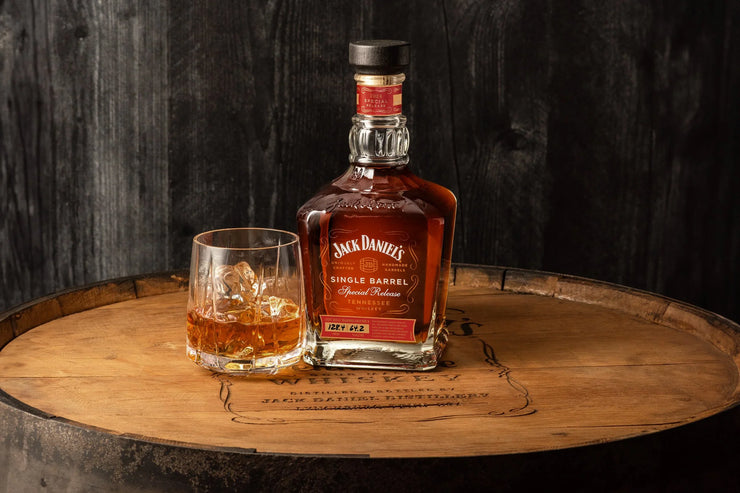
Tennessee whiskey
How to drink it
Try a bonded bourbon neat first, then with a few drops of water to see how it opens up. Bonded rye is a natural fit for a Manhattan or Sazerac, and any of these bourbons make a sturdy Old Fashioned. Browse more in our Bourbon and Rye Whiskey collections.